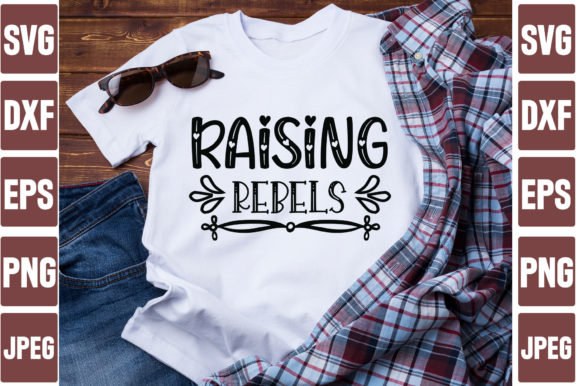
Raising Rebels
As a designer and embroidery product reviewer, I’ve seen countless designs come and go. But Raising Rebels stands out for its bold visual personality and versatility in real-world projects. This is a design that feels like it was made to be stitched, not just printed. From the moment I laid eyes on it, I could see how it would translate into a variety of handmade and commercial products.
The First Impression
Raising Rebels immediately conveys a sense of energy and rebellion. The composition is clean but dynamic, with a strong central motif that commands attention. The color palette is vibrant and well-balanced, making it suitable for a wide range of fabric colors. The layout is well-structured, which is essential for embroidery, as it ensures the design will look good even when stitched onto different materials and sizes.
This design feels like it belongs on custom apparel, especially t-shirts and sweatshirts. It’s also ideal for baby items, patches, and small shop merchandise where visual impact matters. The level of detail is high enough to make the design stand out, but not so intricate that it becomes impractical for most embroidery machines.
Real-Life Embroidery Scenarios
When I think about using Raising Rebels in an actual project, I imagine a custom embroidered tote bag for a boutique shop or a personalized sweatshirt for a client who wants something unique. The design has the right balance of detail and simplicity to work well on both large and small hoop sizes, though I’d recommend testing it on a scrap fabric first to ensure it translates well.
For a handmade product like a pillow cover or a kitchen towel, Raising Rebels would add a striking visual element without overwhelming the fabric. It also works well as an applique design, where the contrast between the embroidered elements and the background fabric can be maximized.
In terms of stitch density, the design seems to strike a good balance. It doesn’t have too many dense areas that could cause puckering or distortion, especially on thin or stretchy fabrics. However, if you’re working with textured or dark fabrics, it’s important to check the thread color contrast carefully to ensure visibility.
Where to Be Careful
While Raising Rebels is versatile, there are some situations where it might not perform as well. On very small hoop sizes, the design could feel cramped, and certain details might get lost. Similarly, on curved surfaces like caps or hats, the design may need slight adjustments to fit properly.
For delicate or stretchy fabrics, using the right stabilizer is crucial to prevent shifting or distortion during stitching. If you're planning to use this design on a layered garment or a product that will be washed frequently, make sure the stitches are secure and the design is compatible with your machine’s settings.
Another thing to consider is the design’s suitability for both personal and commercial use. If you’re an Etsy seller or a small shop owner, double-check the licensing terms before selling finished products or digital files. Even though Raising Rebels is described as a printable design, it’s always better to confirm the usage rights before finalizing any project.
Impact on Visual Appeal and Customer Perception
Raising Rebels has the potential to elevate the visual appeal of any product it’s used on. Its boldness makes it memorable, which is key for customer recognition and brand consistency. When used on custom apparel or personalized gifts, it adds a professional touch that can increase the perceived value of the finished product.
From a customer perspective, a design like this can make a big difference. It’s eye-catching and expressive, which can lead to higher engagement and more interest in your listings. Whether it’s for a holiday gift, a wedding present, or a boutique item, Raising Rebels brings a sense of character and individuality that many generic designs lack.
Practical Designer Notes
Before committing to a full project, I always recommend testing the design on scrap fabric. This helps identify any issues with stitch density, thread color, or fabric compatibility. For Raising Rebels, I’d suggest checking how it looks in black and white mockups as well, to see how it translates on different backgrounds.
Also, make sure the design fits within your hoop size. If you’re using a smaller hoop, you may need to break the design into sections or adjust the placement. For commercial embroidery projects, verify that the file format is compatible with your machine and that the design scales well without losing quality.
If you're using Raising Rebels for a craft business or an Etsy listing, consider how it will look on different products. Will it work on a baby onesie? A tote bag? A cap? Testing it across multiple applications can help you determine its true versatility.
Final Thoughts
Raising Rebels is a solid choice for designers looking for a bold, adaptable embroidery design. It’s well-suited for a variety of projects, from custom apparel to small shop merchandise. With careful consideration of fabric type, hoop size, and stitch settings, it can be a valuable addition to any embroidery project or digital product library.
Whether you’re an experienced embroiderer or just starting out, Raising Rebels offers a good mix of style and practicality. Just remember to test it thoroughly and understand the licensing terms before using it in a commercial setting.